
Author: Mr Prithu Nath, DocPress, Gulmohar Park | 6th June, 2026

Modern science is rediscovering what ancient healing traditions always understood — the health of the human body begins in the gut.
Emerging microbiome research now suggests that bowel transit time and digestive rhythm may influence inflammation, metabolism, immunity, mood, cardiovascular wellness, and even brain health. When waste remains stagnant in the intestines for too long, harmful metabolites and inflammatory compounds may accumulate, placing stress on the body over time.
Modern science is increasingly validating what ancient healing systems understood thousands of years ago — the gut is not merely a digestive organ, but an intelligent communication center deeply connected to the entire body.
This remarkable system is often called the “Second Brain”, scientifically known as the Enteric Nervous System (ENS). The ENS contains more than 100 million nerve cells lining the digestive tract. These nerve cells continuously communicate with the brain through the gut-brain axis, influencing:
- digestion
- mood
- stress response
- metabolism
- immunity
- sleep
- emotional balance
- overall vitality
When the digestive system is under stress, the gut-brain communication network may become disturbed. This stress can appear as:
- bloating
- acidity
- indigestion
- heartburn
- gas
- burping
- heaviness
- abdominal discomfort
- irregular bowel movement patterns
Over time, this digestive stress may affect not only the gut, but also emotional and physical well-being.
Modern research increasingly suggests that chronic gut imbalance and inflammation may contribute to broader systemic conditions involving metabolism, immunity, mood, and neurological health.
As digestive stress reduces, the gut’s nerve network may resume a more balanced “conversation” with the brain — supporting a greater sense of:
- lightness
- digestive comfort
- calmness
- energy
- metabolic balance
- overall wellness
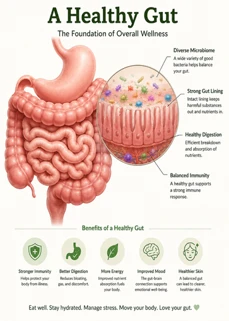
A healthier gut environment may also support:
- improved nutrient absorption
- better assimilation of vitamins and minerals
- enhanced natural energy production
- reduced digestive sluggishness
- improved gut microbiome harmony
The gut microbiome—billions of bacteria in the digestive tract—profoundly influences health, and its imbalance (dysbiosis) is linked to chronic diseases, including obesity, type 2 diabetes, gastrointestinal disorders (IBS), immune-related ailments, and neurological conditions like Alzheimer’s. This connection works through inflammation, immune regulation, and the gut-brain axis. [1, 2, 3, 4, 5]
Key Connections Between Gut and Disease:
* Immune System & Inflammation: The gut houses a massive portion of the immune system. Dysbiosis causes inflammation that, when chronic, drives metabolic diseases like obesity and diabetes.
* Gut-Brain Axis: The gut and brain are in constant communication via nerves and chemicals. A troubled intestine can send signals to the brain, contributing to anxiety, depression, and neurodegenerative conditions.
* Metabolic Disorders: Gut bacteria regulate metabolism and energy regulation, influencing conditions such as fatty liver disease, hypertension, and diabetes.
* Functional GI Disorders: Imbalances often cause chronic issues like irritable bowel syndrome (IBS). [4, 6]
Factors Impacting Gut Health:
* Diet: High-fiber, whole foods support beneficial bacteria, while processed foods and excessive sugar promote inflammation.
* Lifestyle: Chronic stress, lack of sleep, and sedentary habits can damage gut health.
* Medicines: Antibiotics and other medications can significantly alter the gut microbial composition. [1, 2, 3, 8, 9]
Supporting a Healthy Gut:
* Fiber Intake: Eat diverse, fiber-rich plants to nourish good bacteria.
* Reduce Processed Foods: Limit sugar and alcohol to prevent chronic inflammation.
* Manage Stress: Since the gut and brain are linked, managing stress helps reduce GI distress. [7, 8, 10, 11, 12]
REFERENCES
[1] https://pmc.ncbi.nlm.nih.gov/articles/PMC12089137/
[2] https://www.sciencedirect.com/science/article/pii/S2772431X22000375
[3] https://www.healthline.com/nutrition/does-all-disease-begin-in-the-gut
[4] https://www.frontiersin.org/journals/microbiology/articles/10.3389/fmicb.2022.999001/full
[5] https://pmc.ncbi.nlm.nih.gov/articles/PMC10083300/
[6] https://my.clevelandclinic.org/health/body/the-gut-brain-connection
[7] https://www.health.harvard.edu/diseases-and-conditions/the-gut-brain-connection
[8] https://health.ucdavis.edu/blog/good-food/9-healthy-eating-tips-that-can-help-reduce-inflammation/2023/11
[9] https://www.cleaneatzkitchen.com/a/blog/how-your-gut-biome-is-connected-to-brain-function
[10] https://www.hopkinsmedicine.org/health/wellness-and-prevention/your-digestive-system-5-ways-to-support-gut-health
[11] https://my.clevelandclinic.org/health/body/25201-gut-microbiome
[12] https://theguthealthdoctor.com/fungi-and-the-gut-microbiome-when-they-matter-and-when-they-dont