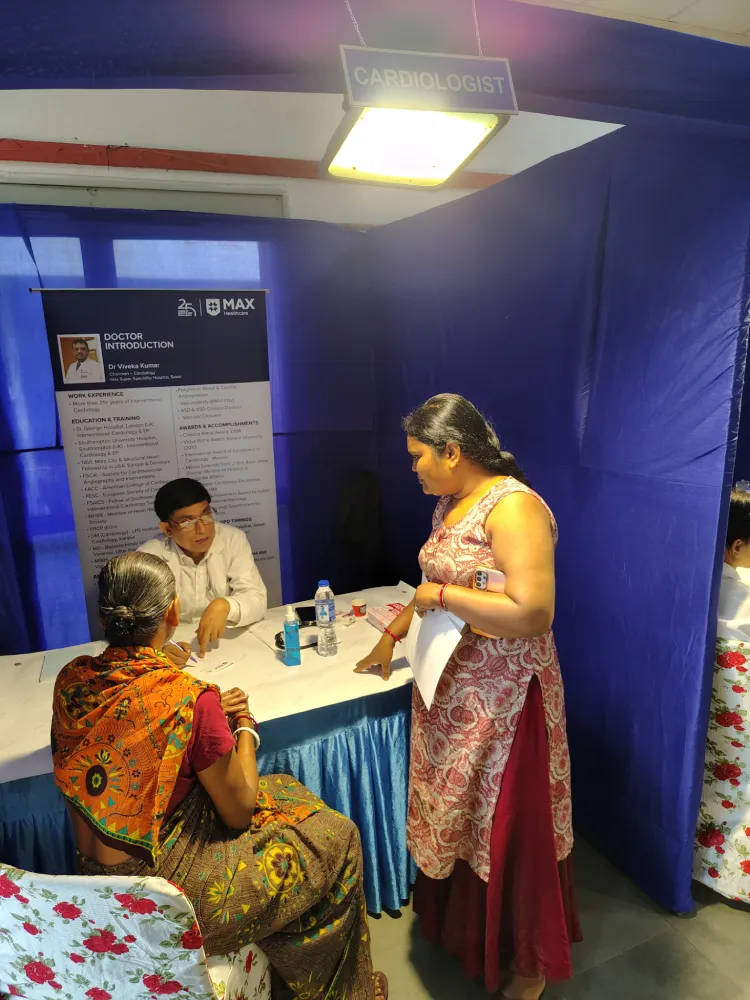
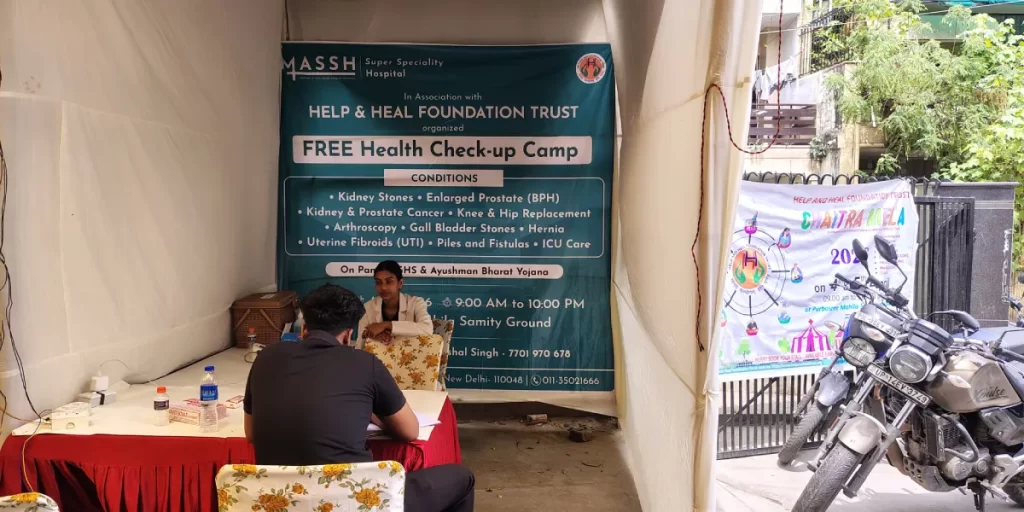
Restoring movement, restoring life: NRF at a free two-day medical camp on 4th and 5th April at Purbosree Mahila Samity, Chittranjan Park, New Delhi.
A medical camp was successfully organized on 4th and 5th April, operating from 9:00 AM to 1:00 PM, with the aim of promoting accessible healthcare and early intervention within the community. Through a free two-day Chaitra Mela medical camp, the Neuroaid and Research Foundation provided a great opportunity for bringing healthcare closer to the community. The primary purpose of the camp was to provide basic medical consultation, raise awareness about preventive healthcare, and identify individuals who may require specialized treatment or therapy. As the saying goes, “Prevention is better than cure,” and the camp strongly reflected this principle.
The medical camp truly received an encouraging response even in the limited time frame, with a total of 235 registrations over the two days and 8 hours. Among these, 9 individuals registered for physiotherapy services and 5 for speech therapy, highlighting the growing awareness and need for rehabilitative and developmental support services alongside general healthcare. 70-80% of individuals who received physiotherapy consultation belonged to the middle-age group.
In addition to physiotherapy and speech therapy, the camp also catered to other specialties such as orthopedics, cardiology, gynecology, ENT, basic diagnostics, and routine health check-ups. These services played a crucial role in early detection of health issues and guiding patients toward appropriate treatment pathways.
We had an opportunity to interact and have conversations with a variety of medical professionals from different backgrounds during the camp. Apart from the clinical perspective, the camp was a personally rewarding experience as well. It provided a great chance for the healthcare providers to engage the public and learn more about their health issues and raise awareness of the value of speech and physiotherapy.
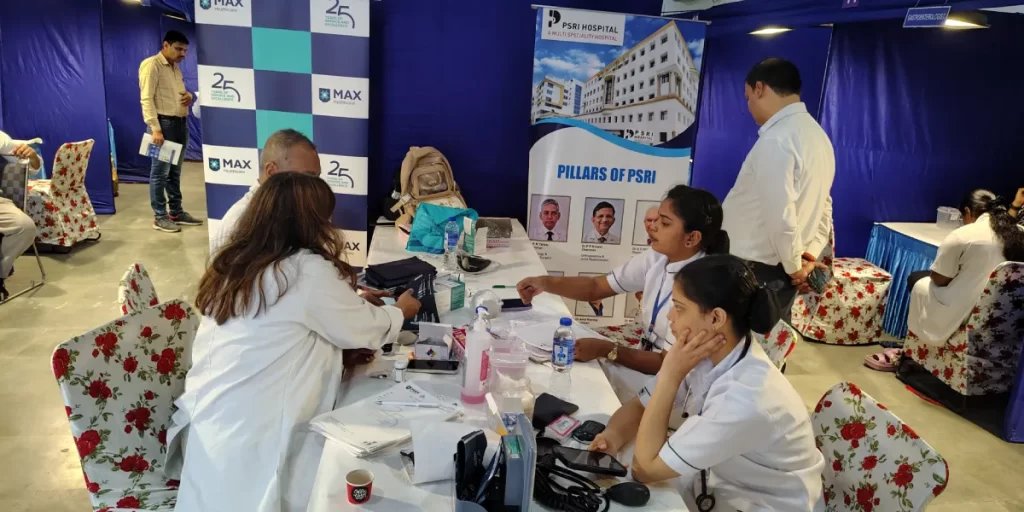
A thorough assessment was conducted to address the patient’s complaints and concerns. Additionally, we gave each and every patient tailored guidance and recommended easy, efficient home-based exercise programs, enabling them to actively participate in their own rehabilitation and well-being.
To ensure continuity of care and promote long-term health management, patients were also informed about the option to visit our department at our different centers in Delhi-NCR for further evaluation and treatment, where they could avail themselves of a 10% discount on our existing packages. We found a great heterogeneity in cases in the camp. This diversity not only enhanced our therapeutic experience but also enabled us to provide our specialized services to the needy.
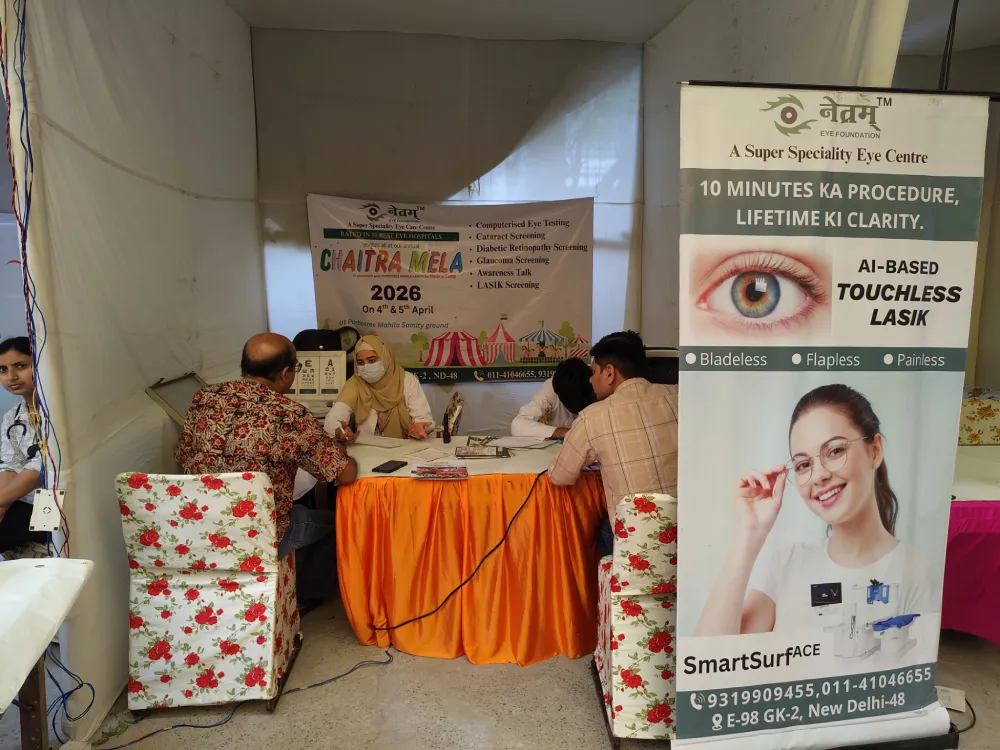
The impact of the medical camp on society was significant. Through this camp we attempted to improve access to healthcare for individuals who may not regularly visit medical facilities, especially who are under-resourced and spreading awareness about the importance of timely diagnosis and therapy. This camp was particularly beneficial in bridging healthcare gaps, reducing the burden of untreated conditions, and fostering a proactive approach toward health and well-being in the community.
Overall, the initiative proved to be a meaningful step toward community health development, emphasizing inclusivity, awareness, and preventive care. “To care for those who once cared for us is one of the highest honors,” and this camp stood as a testament to that spirit of care and service.