
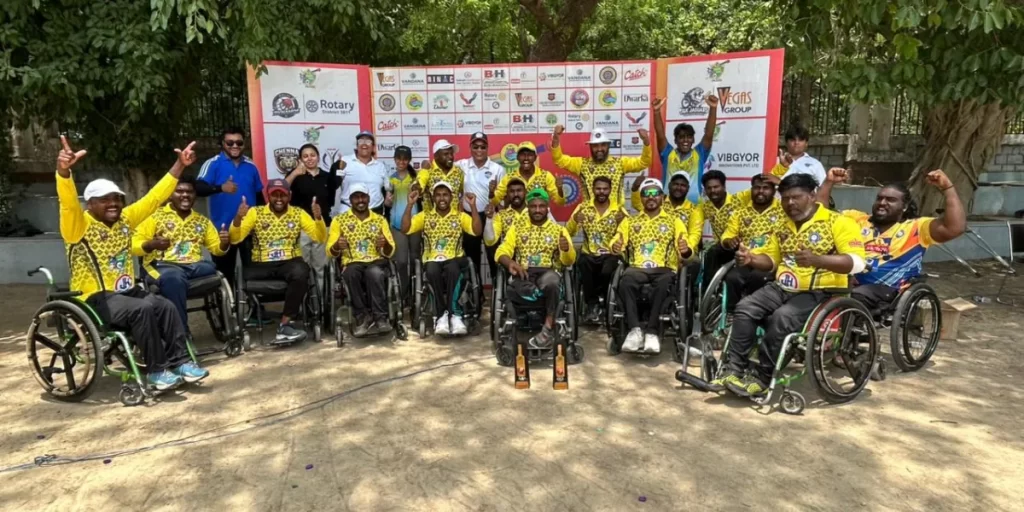
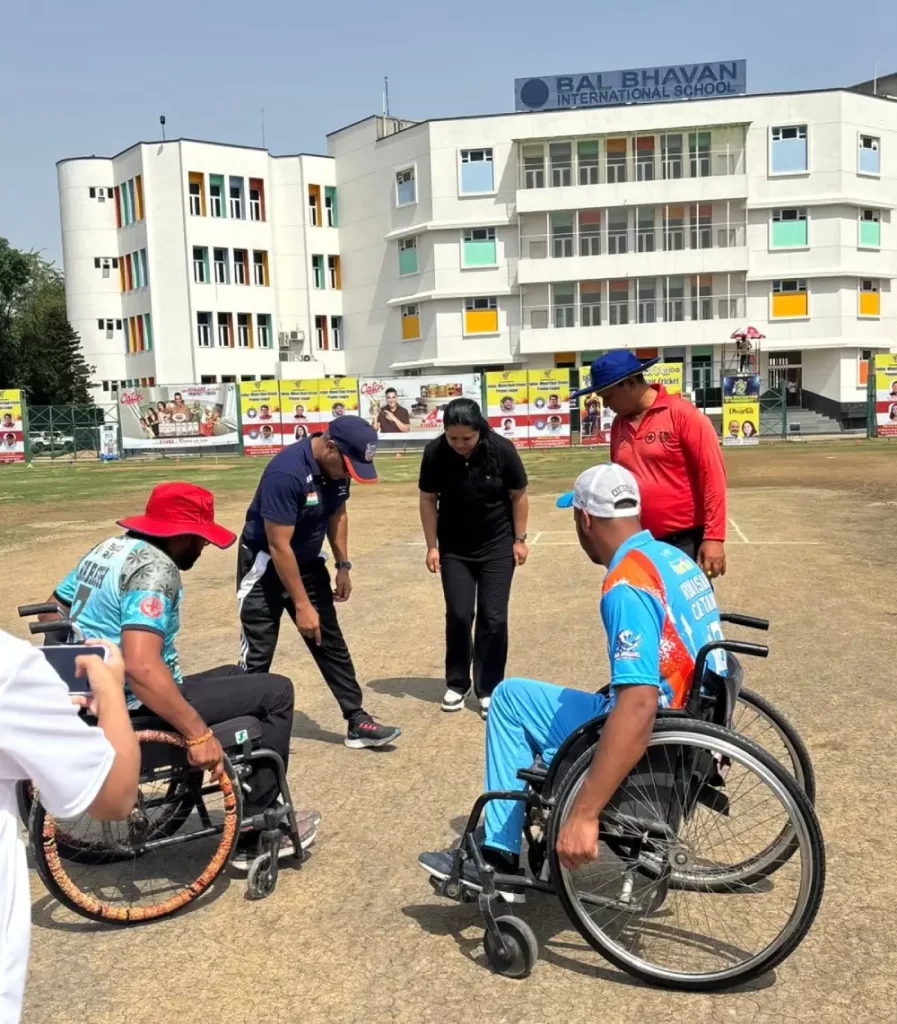
The Indian Wheelchair Cricket Premier League (IWPL) Season–7 concluded successfully with remarkable participation from wheelchair cricket teams representing eight states across India. Organised by Ek Mutthi Sansthan and the Indian Wheelchair Cricket Association (IWCA) under the leadership of Mr. Mukesh Sinha, the championship was held at Bal Bhawan International School, Dwarka, New Delhi, from 14th to 21st June 2026.
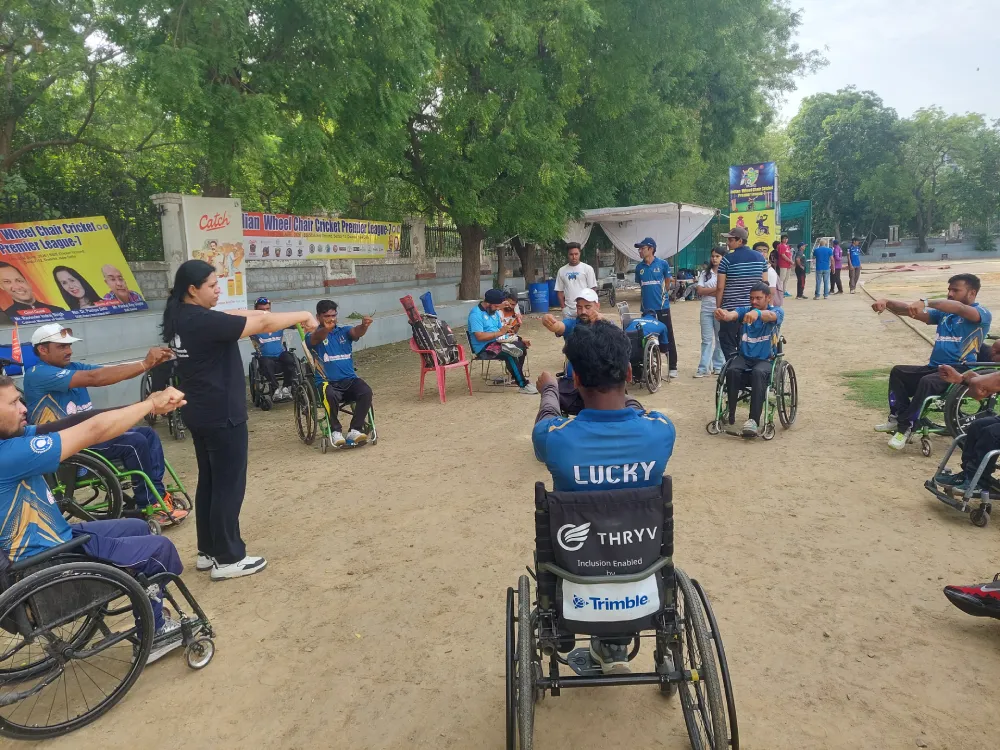
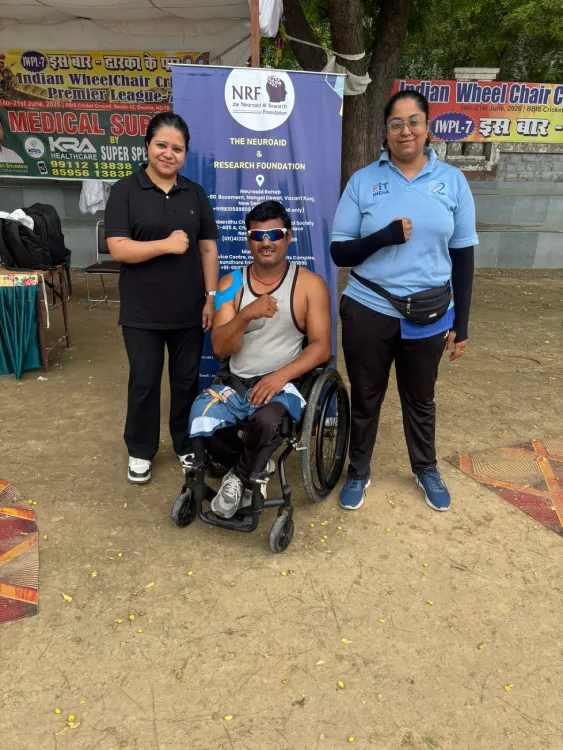
As the official physiotherapy partner, the Neuroaid & Research Foundation (NRF) provided comprehensive sports rehabilitation support throughout the tournament. The NRF physiotherapy team delivered athlete-focused care, including pre-match warm-up and mobility sessions, injury prevention strategies, on-field injury assessment and management, and post-match recovery protocols.
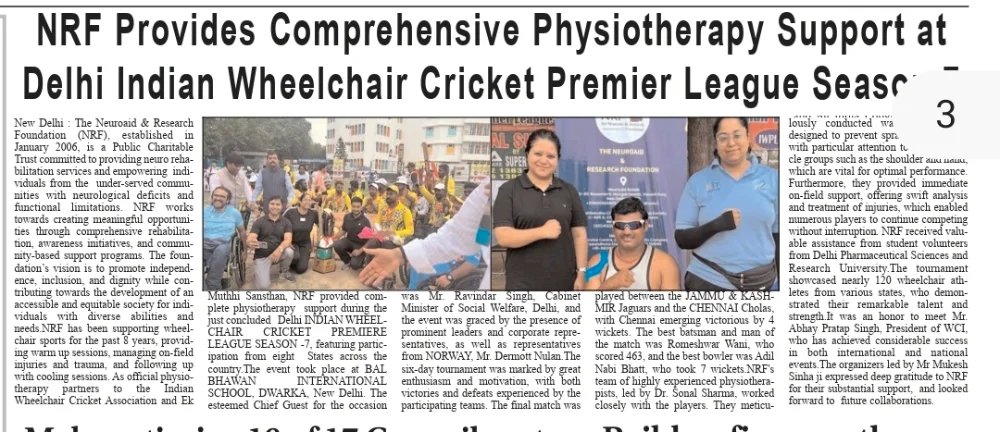
With participation from more than 120 wheelchair athletes, the tournament celebrated determination, inclusion, resilience, and sporting excellence. NRF’s involvement reflects its continued commitment towards promoting independence, dignity, and equal opportunities for individuals with disabilities through rehabilitation, healthcare, and empowerment.
The championship was honoured by the presence of distinguished guests, including Mr. Ravindar Singh, Cabinet Minister of Social Welfare, Delhi, along with eminent leaders, corporate representatives, and international delegates, including Mr. Dermott Nulan from Norway.The six-day tournament witnessed exceptional dedication and competitive spirit among wheelchair athletes from eight states. The final match was played between Jammu & Kashmir Jaguars and Chennai Cholas, with Chennai securing victory by four wickets. Romeshwar Wani was awarded Best Batsman and Man of the Match for his outstanding performance of 463 runs, while Adil Nabi Bhatt received the Best Bowler award with seven wickets.
Role of Physiotherapy in Supporting Wheelchair Cricket Players During Tournaments
Wheelchair cricket has become a powerful platform for inclusion, empowerment, and competitive participation among athletes with disabilities. However, similar to other adaptive sports, wheelchair cricket involves unique physical demands. Continuous wheelchair mobility, repetitive upper-limb activity during batting, bowling, throwing, and prolonged sitting can contribute to specific musculoskeletal challenges.
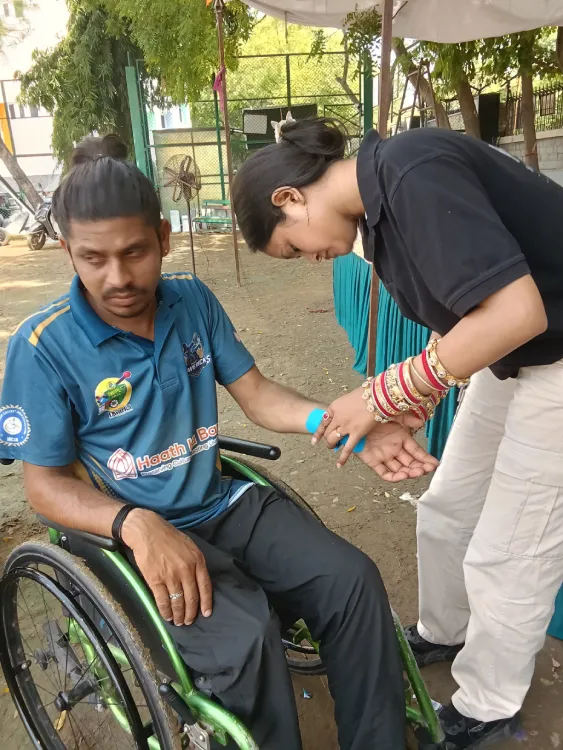
One of the most common concerns among wheelchair athletes is shoulder and upper-limb pain. The shoulder complex experiences significant load due to repetitive wheelchair propulsion and sports-related movements performed from a seated position. A systematic review of wheelchair athletes reported shoulder complaints ranging from 16% to 76% prevalence, highlighting pain and overuse injuries as important concerns in this population. The evidence suggests that strengthening, flexibility training, and structured rehabilitation strategies play an important role in maintaining shoulder health.
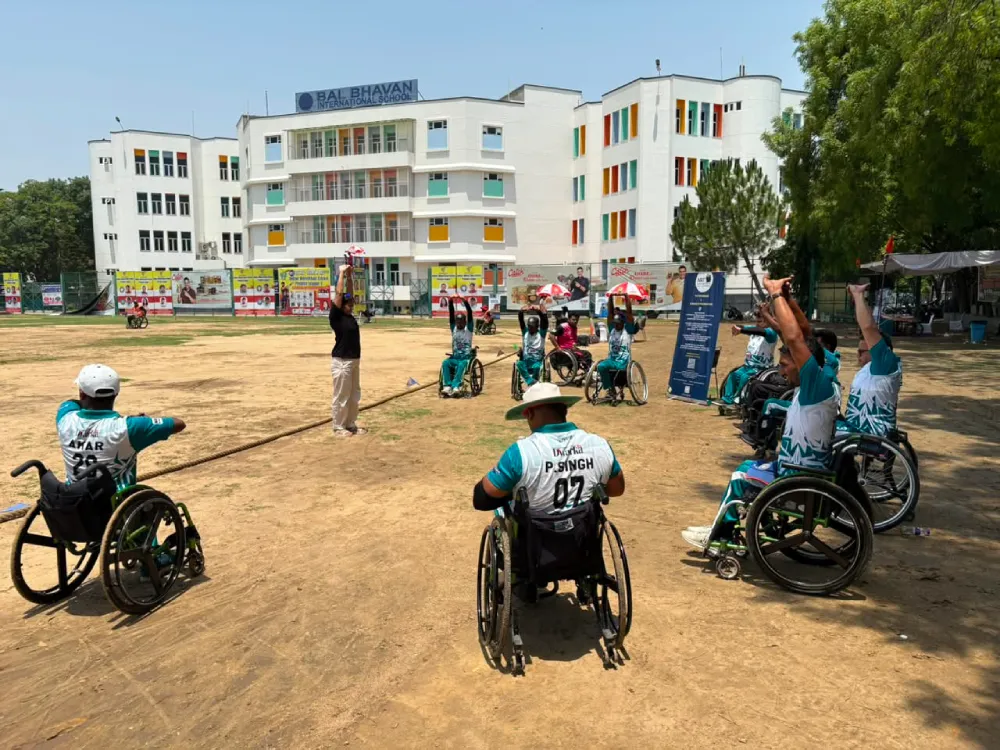
During tournaments, athletes may experience shoulder fatigue, muscle tightness, and overuse symptoms after consecutive matches. Physiotherapists provide immediate on-field assessment, mobility exercises, stretching techniques, taping support, and recovery strategies to reduce discomfort and maintain performance.
Another major challenge is muscle fatigue and reduced endurance due to repeated wheelchair propulsion and high-intensity match demands. Evidence in wheelchair sports highlights the importance of proper warm-up routines, shoulder strengthening, and injury prevention strategies to support long-term athlete performance.
Postural issues and trunk discomfort are also common due to prolonged sitting and repetitive upper-body movements. Limited trunk mobility and sustained seated posture may affect movement efficiency and contribute to discomfort.
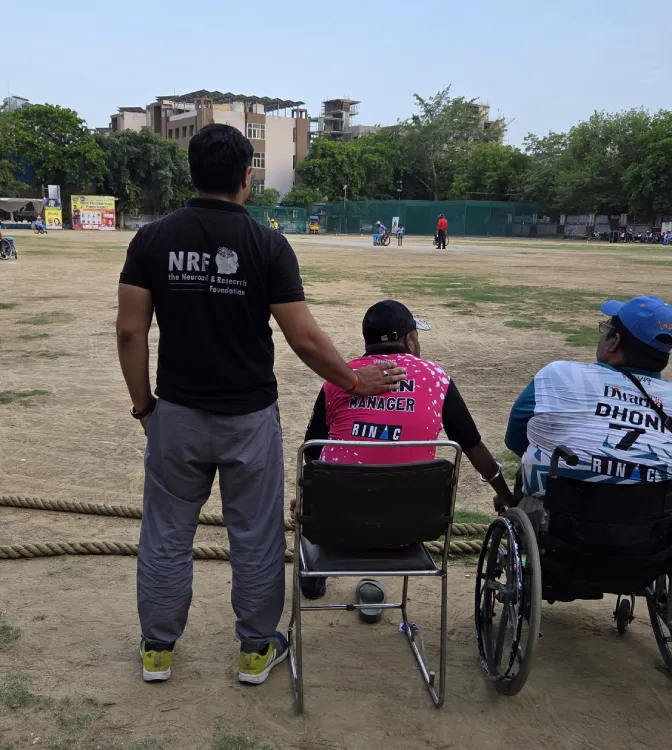
Additionally, pressure-related concerns remain important for wheelchair users. Long periods of sitting during matches and travel can increase pressure on vulnerable areas. Education regarding pressure relief techniques, correct seating posture, wheelchair positioning, and regular weight shifting helps prevent complications and supports athlete safety.
On-Field Physiotherapy Support: A Practical Example
During the tournament, a 35-year-old wheelchair cricket player developed significant shoulder pain and muscle fatigue after participating in consecutive matches. The athlete reported difficulty with wheelchair propulsion, reduced batting power, and discomfort during throwing movements.
On-field physiotherapy assessment identified shoulder muscle tightness, reduced mobility, and signs of overuse caused by repetitive upper-limb loading, continuous wheelchair movement, and high match intensity.
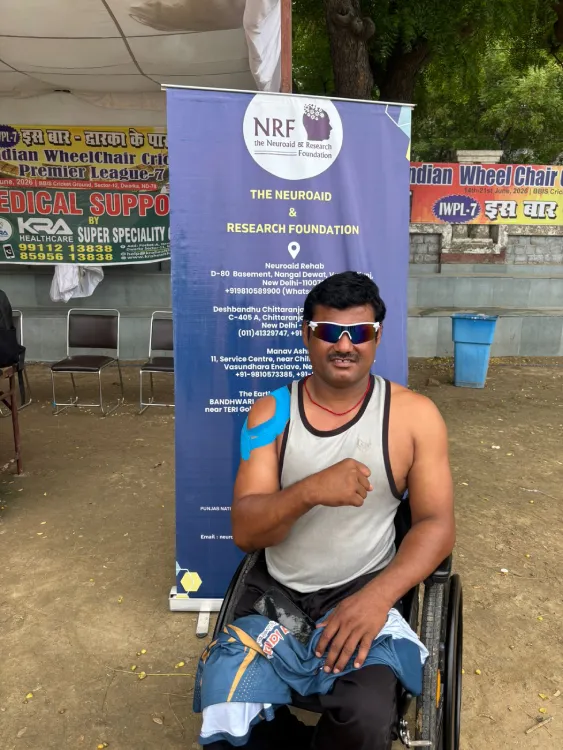
Immediate management was provided at the tournament venue. The player received soft tissue techniques to reduce muscle tightness, gentle shoulder mobility exercises, stretching, and supportive taping to improve comfort and function.
Following physiotherapy intervention, the athlete reported reduced pain, improved ease of wheelchair movement, and better confidence during batting activities. Additional guidance was provided regarding posture correction, shoulder strengthening, recovery strategies, and injury prevention.
This case highlights the importance of rehabilitation support during wheelchair cricket tournaments. Physiotherapists play a vital role not only in injury management but also in maintaining performance, preventing complications, and helping athletes participate safely throughout competition.
In adaptive sports, physiotherapy serves as a crucial bridge between rehabilitation and competitive excellence.The organizers, led by Mr. Mukesh Sinha, expressed their appreciation to NRF for its dedicated contribution and acknowledged the importance of sports rehabilitation in creating inclusive opportunities for athletes with disabilities. Both organizations reaffirmed their commitment towards strengthening future collaborations to further empower wheelchair athletes across India.
NRF continues its mission of building an inclusive society by integrating rehabilitation, healthcare, and sports empowerment for individuals with disabilities — transforming rehabilitation into representation.