
Author: Mihika (Child Guidance Counsellor) | 17th October 2025

As therapists, we spend much of our time supporting others regulate their thoughts, navigating emotions and managing the pain. But we often forget that healing is not unidirectional, it flows both ways. Just as we recommend catharsis, expression, and self-care for our clients, we need to have that space for ourselves too. And one of the most powerful, yet often overlooked, tools for self-regeneration is having a hobby.
Hobbies, whether it is painting, playing any music instrument, gardening, or journaling, reconnect us to our inner world, the part of us that exist beyond roles and reports.
The Therapist Who Picked Up a Brush
A few months ago, after a particularly intense week of sessions with neurodivergent children, I found myself feeling emotionally overwhelmed, not in a gentle and fulfilling way. Even though I had done everything right, providing a safe and supportive environment, held therapeutic boundaries, focusing on strengths, I still carried the unspoken weight of the children’s frustrations, the families’ hopes, and my own questions.
Though working with these children is often joyful and grounding, it can also be deeply challenging. There are moments of connection that feel like small miracles like a shared laugh, eye contact held a few seconds longer, but there are also sessions that end in tears, sensory meltdowns, or emotional shutdowns, and those moments stay with you.
I had not painted in years. But that evening, without overthinking it, I reached for a drawing sheet and some watercolours. I let the brush move without having any aim in mind. The swirls of blue, green, and pink emerging without form, just feeling. No structure. No strategy. Just colour and breath.
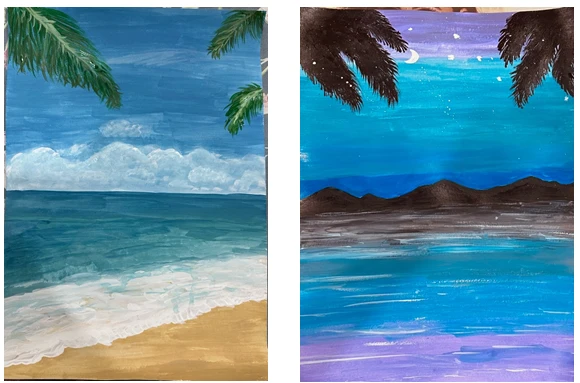
It was not beautiful. But it was mine. And somehow, those messy strokes captured what I had not been able to express, the tension, the compassion fatigue that does not always have language.
When I stepped away, I felt lighter. Not healed but embraced by the act of creating without judgment. That night, I slept better.
Why Creation Heals
Creative hobbies offer a safe and private space for emotional release. They activate the right brain, the part responsible for intuition, expression, and non-verbal processing. When emotions and thoughts don’t find words, hobbies give an outlet to express what lives within.
For therapists, hobbies:
- Ground us after emotionally intense sessions
- Remind us of joy, curiosity, and beauty
- Reduce burnout and compassion fatigue
- Offer non-clinical identity and personal fulfilment
But it is important to note that hobbies are not about productivity or perfection, they are about presence. Whether you are doodling in a notebook, humming in the kitchen, or kneading soil in your balcony garden, you are processing, expressing, and healing. In creating, we find peace within. And perhaps, that’s the most therapeutic thing of all.